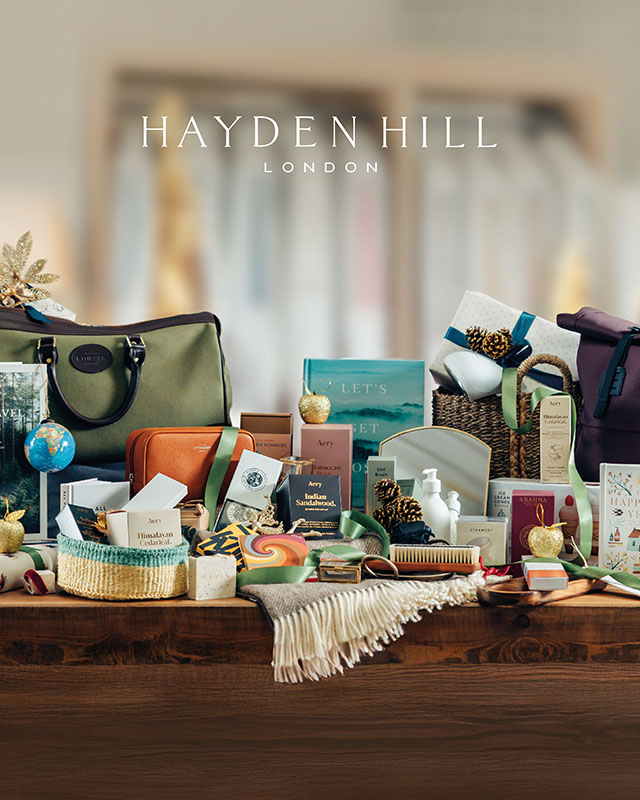
Product & lifestyle photography
Clean product images, details and products in use. We plan angles, backgrounds and crops around your shop, website, packaging or retailer requirements.
The Artist Studio / Sherborne
Show the people, products and details that make your business yours. We create photography and video for websites, campaigns and everyday content — in our Sherborne studio and on location.
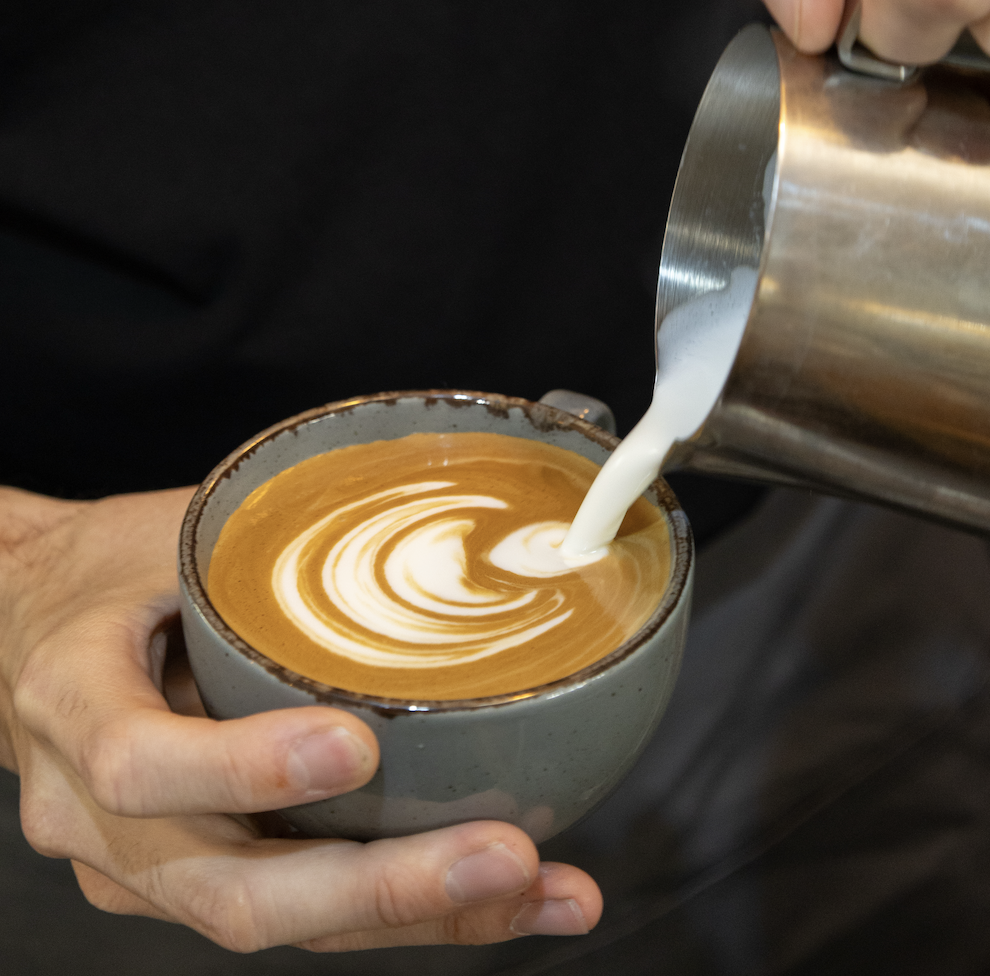

A product launch, a refreshed website or a business with a story still to tell. We work across Dorset and Somerset, planning the shoot around what you want to show and where the content will be used.
01 / How we can help
Photography and video are produced in house. We can plan both together, with a shared brief and a consistent look across the finished work.
Clean product images, details and products in use. We plan angles, backgrounds and crops around your shop, website, packaging or retailer requirements.
Founders, teams, workshops, interiors and the work behind the scenes. Show customers the people and care behind your business, from professional services to manufacturing and hospitality.
Photography for producers, makers, venues and places to stay. We consider styling, light and context so the images explain the product or space as well as its character.
Short edits for social channels, product demonstrations and behind-the-scenes stories. Formats, captions and the number of versions are planned around the channels you need.
Interview-led stories, brand films, testimonials and event coverage. We agree the narrative, filming plan and intended edits before the cameras come out.
02 / Start with what matters
A beautiful image should also fit where it needs to go.
Tell us where the photographs and films will appear before the shoot. We plan framing, backgrounds, space for text and the required versions around those uses.
If a retailer or marketplace has specifications, share them with the brief. We’ll confirm the agreed dimensions, backgrounds, file formats and edits, rather than leaving those decisions until delivery.
Talk through my shot list03 / The practical details
We shoot in our Sherborne studio and on location across Dorset and Somerset. That could be your kitchen, shop, workshop, factory or a space you want people to experience.
A combined session can make good use of the setup and produce a consistent set of stills and video. We’ll agree what is realistic for the time, locations and deliverables involved.
Our service includes ownership of the commissioned photography and footage, including raw footage and agreed final edits. We confirm delivery and usage in writing, with any separate music, talent or third-party licence terms explained.
04 / A clearer starting point
Explore broad photography and video ranges in our price guide, then we’ll quote for the shoot and deliverables you need. A smaller update and a full content library can both have a place.
Products, locations, styling, talent and the number of edits shape the cost. Any travel, props or other external costs are explained in the proposal.
Your business / Your guide
Our prices include VAT. The guide is indicative; the final scope and quote are agreed together.
05 / How we work together
We plan what needs capturing before the day, including locations, styling, access and any interview or script requirements. You’re welcome to be involved during the shoot or leave us to work through the agreed plan.
Images are usually ready in around a week; video commonly takes two to three weeks, depending on the edit. We confirm the schedule and review stages around your brief.
Explore our workAgree the shot list, video structure, channels, formats and practical arrangements.
Work through the brief and the details that make the products, people or place distinctive.
Prepare the chosen photographs and edits, with the agreed review stages.
Supply the agreed files, versions, captions and transcripts so the content is ready for its intended channels.
The bigger picture
A planned library of photographs and video can support your website, social content and advertising. We can help put the material to use as part of a wider project or ongoing support.
Yes. Planning both in one session can make efficient use of setup, lighting and travel. We agree the shot list and video deliverables in advance so there’s enough time for each.
Absolutely. Share your guidelines, current imagery and examples of where the new material will appear. A shoot can refresh or extend what you have without changing the whole identity.
We quote around the shot list and deliverables, including the products, locations, styling and edits involved. Our photography and video price guide gives broad indications with VAT included; the final quote is bespoke.
Yes, including raw footage and the agreed finished work. We confirm the deliverables and usage in writing. Music, talent and other third-party materials can have separate terms, which we explain before final delivery.
Yes. Share the relevant specifications before the shoot. We confirm the agreed backgrounds, dimensions, formats and versions as part of the brief.
Yes. We provide captions and transcripts as part of our video service, with the formats agreed in the brief. They make spoken content easier to access and reuse alongside the film.
Photography is usually delivered in around a week. Video commonly takes two to three weeks, depending on length and the number of versions. We confirm timing at the start, including any deadline you need us to work towards.
In our Sherborne studio and on location across Dorset and Somerset, including Yeovil, Dorchester, Shaftesbury, Bruton and surrounding areas. Travel and access arrangements are included in the planning.
Food and drink, homeware, jewellery, interiors, hospitality, manufacturing, heritage trades and professional services, among others. If your sector isn’t listed, tell us what you’d like to capture.